Thimphu
Thimphu
Name: Thimphu
Name: Thimphu
Bhutanese name: ཐིམ་ཕུ
Status: city (capital)
District: Thimphu
Area: 26.1 km²
Population: 114,551 inhabitants
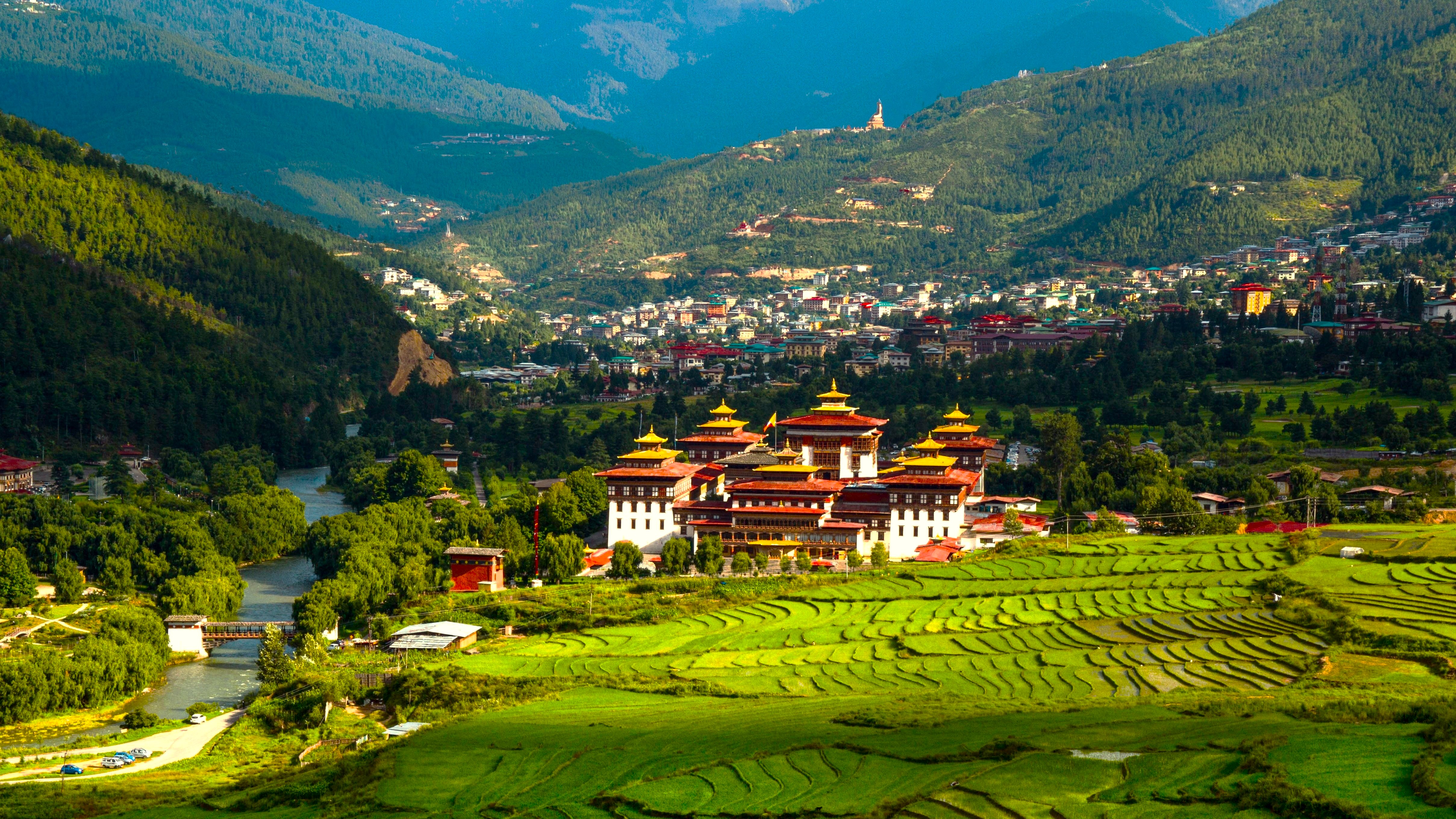
Thimphu is the capital of Bhoutan. It is located in the western part of the Wang Chhu valley, within the district of the same name. A capital with a preserved traditional style, the city perfectly exemplifies the splendor of the Land of the Thunder Dragon.
History
The first king of Bhoutan, Ugyen Wangchuck, took control of the country after the 1885 battle of Thimphu.
During the reign of King Jigme Dorji Wangchuck of the Wangchu dynasty, slavery was abolished and new reforms were introduced concerning taxation and land redistribution. Changes continued until 1952, including the transfer of the capital, previously located in Punakha, to Thimphu.
Thimphu began its urbanization in 1952. Several ethnic groups concentrated within the valley, including the Motithang, Changangkha, Langchupakha, and Taba communities. The city was subsequently proclaimed the national capital of Bhoutan in 1961.
The fourth king, Jigme Singye, opened the country to modernity and international exchanges, particularly with India. The capital became a member of the United Nations in 1971. International associations gradually financed the city of Thimphu, enabling it to evolve rapidly as a metropolis.
Bhoutan's first constitution was established between 2001 and 2005. The king transferred power to his son Jigme Khesar Namgyal. In 2008, the establishment of a democratic parliamentary constitutional monarchy was at the heart of priorities. Thimphu then became the seat of the Bhutanese government.
Today
The city of Thimphu extends into the hills west of the Wang Chhu valley. It has expanded and modernized rapidly due to the significance of rural exodus; suburbs proliferated quickly. The city sits at 2,320 meters altitude, at the heart of the Himalayas. The forests surrounding it add a touch of green to its appearance.
In the Taschichoedzong district, several buildings are dedicated to government services. The main street, Norzim Lam, has recently been restored. It is filled with shops, hotels, restaurants, arcades, and public buildings. All future edifices must be designed in a traditional style. Bhutanese houses are generally decorated with paintings and Buddhist motifs.
Several buildings rise throughout the city and its surroundings, hosting family residences and traditional shops. On weekends, a market takes place near the river. This vibrant market displays a wide range of fresh products, meats, and vegetables, as well as souvenir items. Most small industries are located south of the main bridge.
Thimphu is a blend of modernity and tradition. As such, the city maintains a strong national character in its architectural style.
What to See in Thimphu
The Memorial Chorten is a stupa built in 1974 in honor of Bhoutan's third king, Jigme Dorji Wangchuk. He is regarded as the father of modern Bhoutan. Inside the stupa, you will discover a series of paintings and statues reflecting a profound understanding of Buddhist philosophy.
It is a gigantic structure of the deity in a seated position. It ranks among the largest structures of its kind in the world. A monastery and a center dedicated to visitors have been arranged within this edifice. The Buddha statue offers a panoramic view of the city of Thimphu.
The Tashichho Dzong
This fortress has served as the seat of government since 1952. It currently houses the throne room, the offices of the king and his secretary, as well as the ministries of the Interior and Finance. Other ministries are located nearby.
The School of Thirteen Arts and Crafts
It is the principal learning center for Bhutanese artisans. Students can specialize in one of the thirteen arts and crafts. These include painting, weaving, sculpture, forging, and embroidery. It is the perfect place for tourists seeking to understand Bhutanese traditional arts and craftsmanship. You have a front-row view to observe students during their training.
This museum is worth visiting if you want to learn more about the living art of weaving in Bhoutan. The ground floor focuses its collections on "Cham" costumes, while the upper floor displays the main weaving techniques, local clothing styles, and the types of textiles produced by Bhutanese people. A small group of weavers practice their craft within the shop. The museum also exhibits its work at the Lhuentse weaving center, in northeastern Bhoutan.
Tourists embark on a hike or climb to the national takin reserve to discover this rare Bhoutan species. According to legend, the takin results from a cross between a goat and a buffalo, but biologists agree it is a close relative of the Arctic musk ox. This famous beast seems to gather parts from several animals. It bears a vague resemblance to an American bison tinged with golden fur. Male takins are known to hide.
The name Simtokha means "atop a demon." According to legend, this dzong was built to control an evil spirit that harassed travelers passing through the region. The monument houses countless statues and paintings of Buddha, as well as various deities and religious figures. Another interesting aspect of the dzong is that it contains the bedrooms of two kings who shaped Bhoutan's history: Zhabdrung Ngawang Namgyel and Jigme Namgyel. The former unified Bhoutan as a nation, while Jigme Namgyel is the father of Bhoutan's first king, Ugyen Wangchuck.
It is the largest convent in Bhoutan. The site allows you to take breathtaking photographs and interact with the nuns while learning about Bhutanese Buddhism. Admire the religious sisters singing praises and turning prayer wheels. Girls and women are admitted to this convent for short or long periods. They learn the foundations of Buddhism and, after graduation, dedicate their lives to serving the community as a whole. By spending time with these nuns, you will gain deeper insight into their beliefs and worldview.
Visitors come to this market, which opens on weekends, not only to shop but also to mingle with local producers. It is the largest local market dedicated to Bhutanese farmers. Farmers from all regions of the country come to sell their harvest. With its wide assortment of fresh and organic products, the centennial market has become a friendly and entertaining place for tourists. Nearby, served by a cantilever bridge, the Kuendeyling Bazaam hosts numerous stalls of clothing, textiles, and crafts.
The Changangkha Lhakhang
This fortress houses a temple and a monastic school, perched on a ridge above the capital. The temple was established in the twelfth century at a site chosen by Lama Phajo Drugom Shigpo, who came from Tibet. The statue visible at the center represents the god Chenrezig in his manifestation with 11 heads. From the temple's courtyard, enjoy the panoramic view of the Thimphu valley.
The Bhoutan Craft Bazaar
Bhoutan's first craft bazaar was opened in Thimphu. The site aims to promote and preserve Bhutanese craftsmanship through a viable market. It features 80 stands, covering all aspects of traditional Bhutanese art and craftsmanship combined with contemporary use. Find several traditional bamboo cabins here, carefully aligned below Norzim Lam, across from the Nehru Wangchuk Cultural Center. These businesses market a wide range of authentic artwork and crafts. Products mainly come from rural areas.
The Institute of Traditional Medicine
Bhutanese are known for their traditional medicine using allopathic medications. The country possesses a great variety of medicinal plants. This institute is thus defined as a training school for traditional medicine practitioners. The complex is closed to visitors due to hygiene considerations. However, you can walk around it or admire it from the outside.
The Museum of Popular Heritage
It familiarizes visitors with Bhoutan's rural past through exhibitions, demonstrations, educational programs, and documentation of peasant life. Dating from the mid-nineteenth century, the building housing the museum comprises three mud-brick stories constructed in wood. Its design and form are characteristic of an average household dwelling from the Wang region. The structure's age demonstrates the durability and performance of traditional building materials. The museum also displays indigenous trees and plants used for domestic purposes by peasants.
The National Crafts Emporium
It is a craft exhibition hall with collections from 4 different cities in Bhoutan. The establishment showcases the best of the country's craftsmanship. The National Crafts Emporium in Thimphu is managed by the National Association of Bhutanese Women as an NGO and is under the supervision of Her Royal Highness Ashi Sonam Choden Wangchuk. It supports one of the most important revenue-generating activities in Bhoutan. The catalog includes hand-woven clothing, wooden masks, rattan and bamboo products, traditional wooden utensils, handmade paper, statuettes, and prayer wheels.
Handmade papermaking in Bhoutan stems from a tradition born in the eighth century. The factory is located approximately 1 km from the city of Thimphu. It exploits the bark of two tree species, namely Daphne and Dhekap. Visitors can observe the entire production process, including the application of traditional methods passed down from generation to generation. You even have the opportunity to learn the craft and attempt to produce handmade paper as a souvenir. The Jungshi paper factory continues to preserve and promote this centuries-old tradition. It also produces derivative items, such as greeting cards.
Climate
The climate in Thimphu is influenced by the southwestern monsoon, giving it a temperate or warm climate. The city experiences a rainy season from May to September. The dry season covers most of the year. Precipitation is estimated between 500 and 1,000 mm per year. The average annual temperature recorded in winter ranges between 5°C and 15°C. In summer, it fluctuates between 15°C and 30°C. The best times to visit Thimphu are between mid-September and late October, then between March and May.
By Air
Visitors land at Paro airport, Bhoutan's international airport, located 45 minutes to 1 hour's drive from the capital.
By Bus
Inter-district buses serve the city's bus station. This is located near the river, in the city center. Thimphu is accessible in six or seven hours of driving from the Chucka district. Various private operators such as Dhug, Meto, and Sernya manage Toyota cabin services connecting Thimphu to Phuentsholing. These buses can accommodate 22 passengers and are very comfortable. Reservations should be made in advance at the Phuentsholing bus station.
Thimphu offers several means of transportation such as buses, taxis, and rental cars. The city is covered by an urban bus network operating throughout the day. Being quite small, the city center can be explored on foot.
What to Do in Thimphu?
- Visit the National Institute of Traditional Medicine and museums
- Discover the handmade paper factory and establishments dedicated to traditional craftsmanship
- Attend religious festivals in monasteries
- Stroll through the city to discover its inhabitants and their culture.
Sehenswürdigkeiten in Thimphu
Alles anzeigen
Le Changangkha Lhakhang
Sur une crête dominant Thimphou, le Changangkha Lhakhang est l'un des plus anciens temples-monastères du Bhoutan, lieu de la cérémonie de nommage des nouveau-nés.
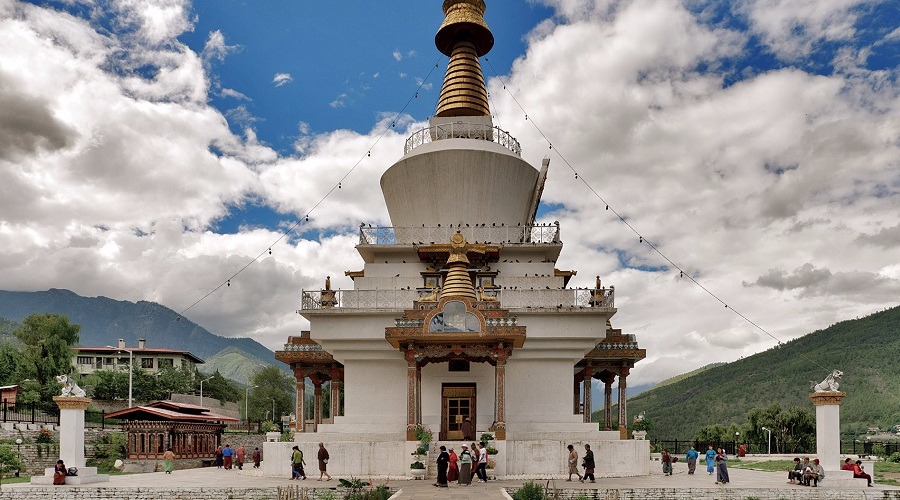
Le Memorial Chorten
Stupa commémoratif construit en 1974 à Thimphou en hommage au troisième Druk Gyalpo, le Memorial Chorten est l'un des principaux centres de culte quotidien de la capitale bhoutanaise.
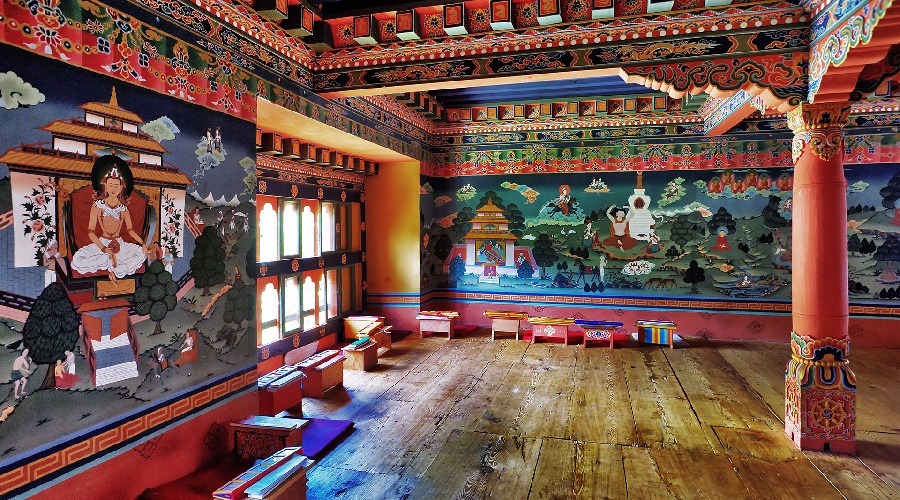
Le dzong de Simtokha
Érigé en 1629 par Zhabdrung Ngawang Namgyal, le dzong de Simtokha veille sur la route entre Thimphou et Punakha. Plus ancien dzong en fonction du Bhoutan.
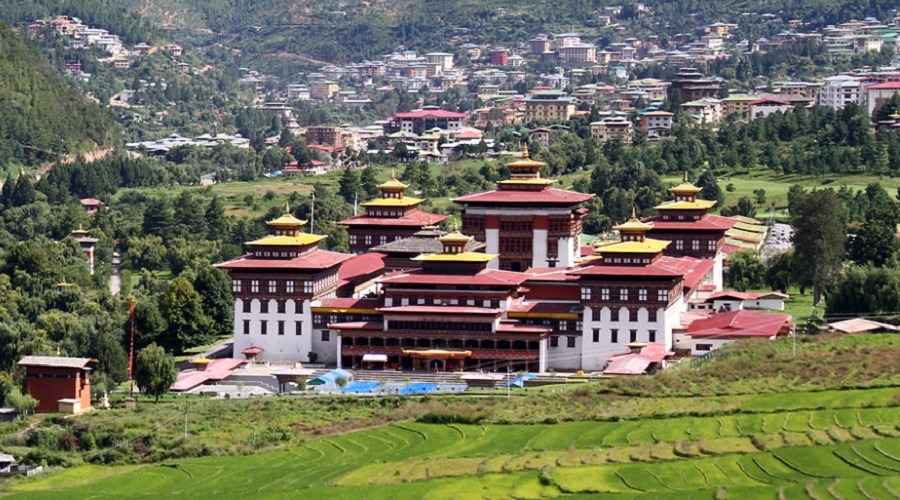
Le dzong de Tashichho
Forteresse-monastère et siège du gouvernement à Thimphou, le dzong de Tashichho réunit salle du trône, ministères et grand festival Tsechu annuel.
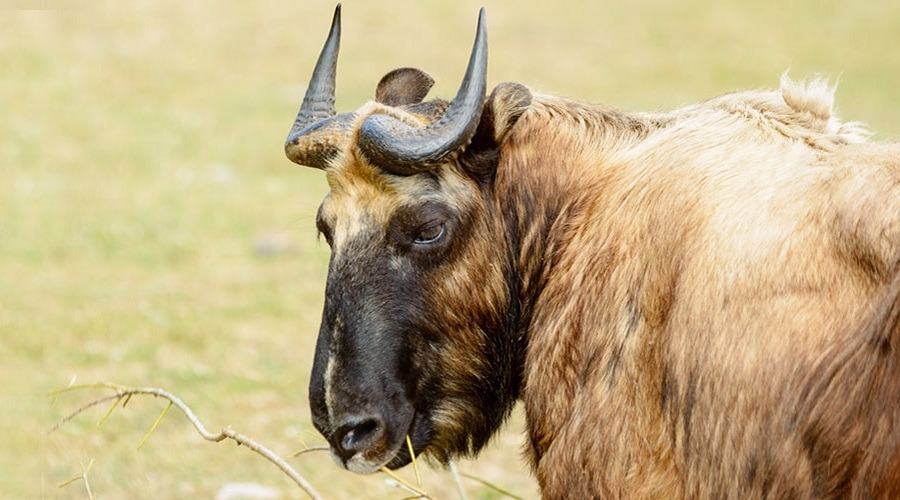
La réserve nationale de takins de Motithang
À Motithang, près de Thimphou, la réserve nationale abrite le takin, animal national du Bhoutan, dans un enclos forestier de 3,4 hectares.
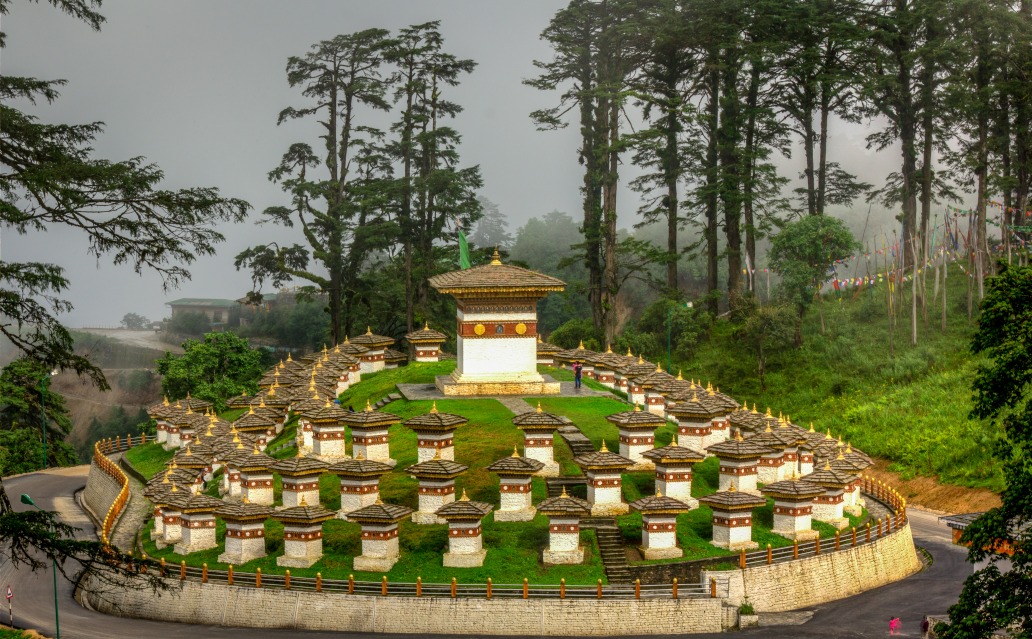
Le col de Chelela
Culminant à environ 3 988 mètres d'altitude, ce point de passage spectaculaire relie deux des vallées les plus authentiques du pays : la vallée de Paro et la vallée de Haa.
Lust, dieses Reiseziel zu entdecken?
Unsere lokalen Berater gestalten Ihre maßgeschneiderte Reise.